

VR/XR Interaction Designfor realworld one

VR UX/UI designer developing both 2D and 3D interfaces for custom VR training and collaboration tools. Used laser pointer interactions, gesture tracking, head position, and sigh tracking. Worked with 2D UI screens, interactive 3D objects, animations, VFX, and cinematic techniques.
Overview
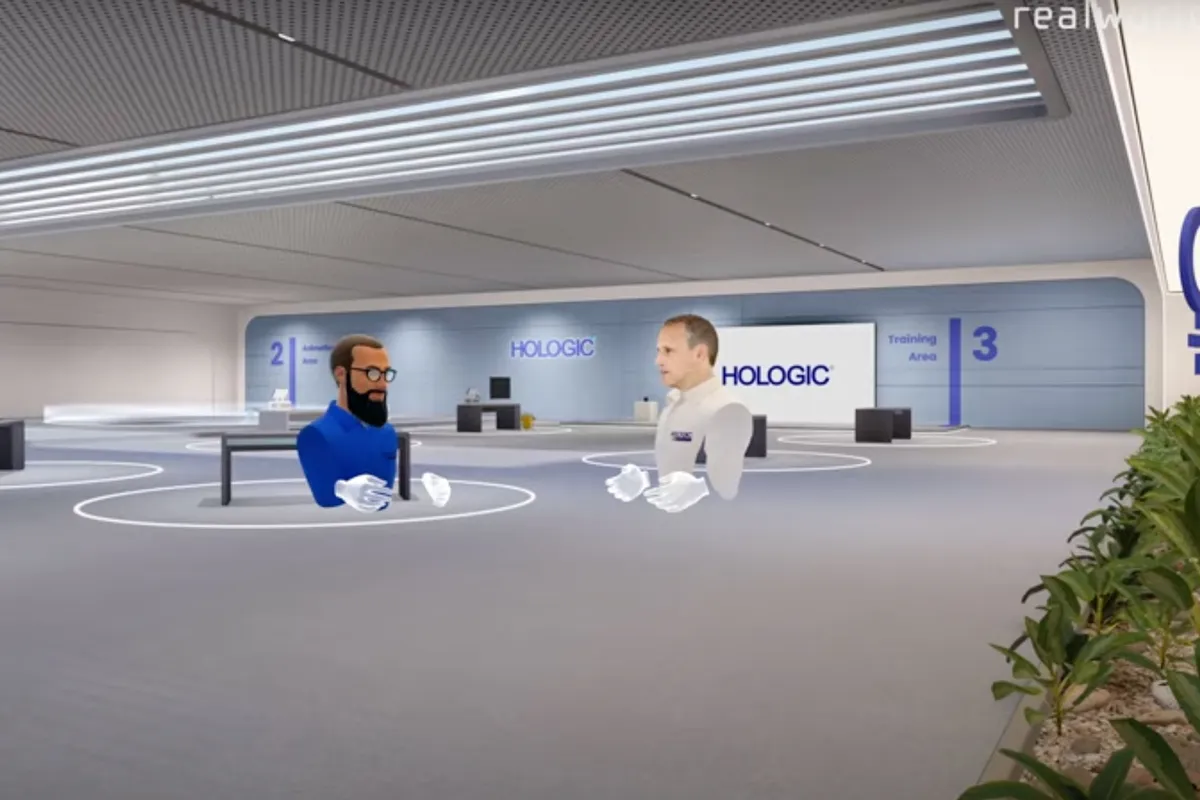
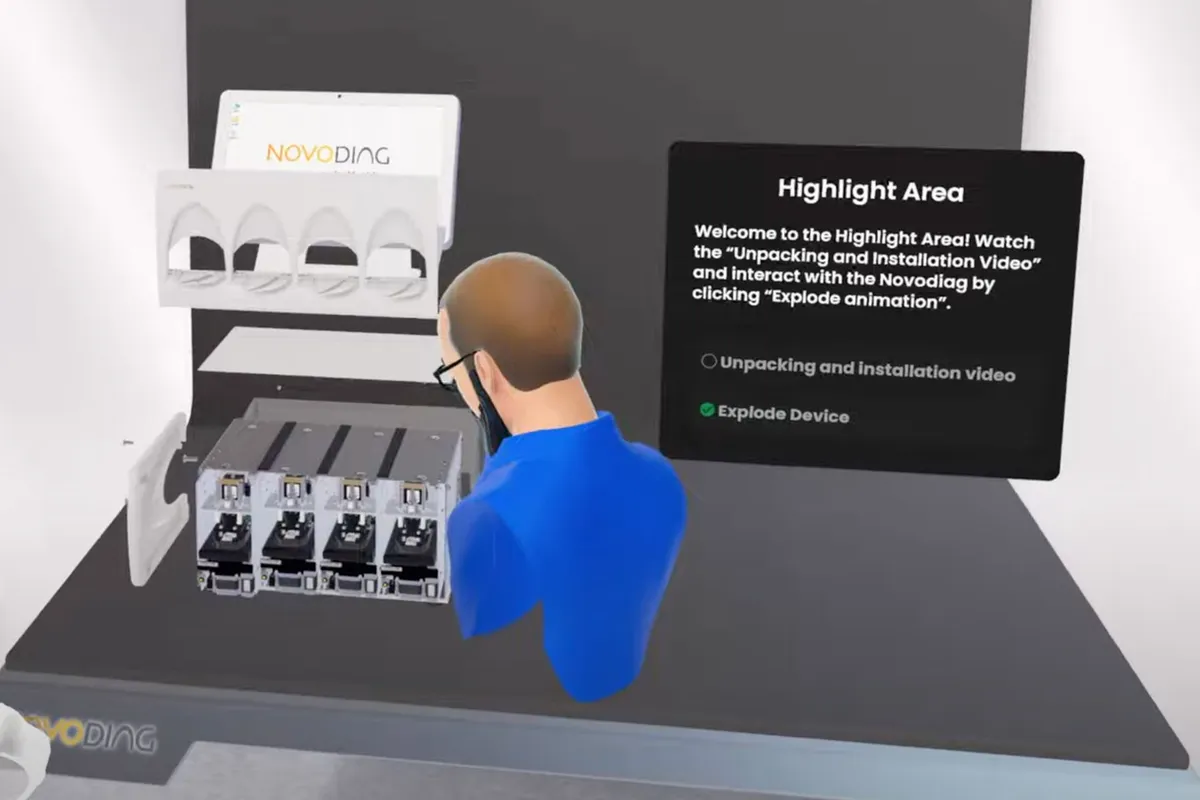
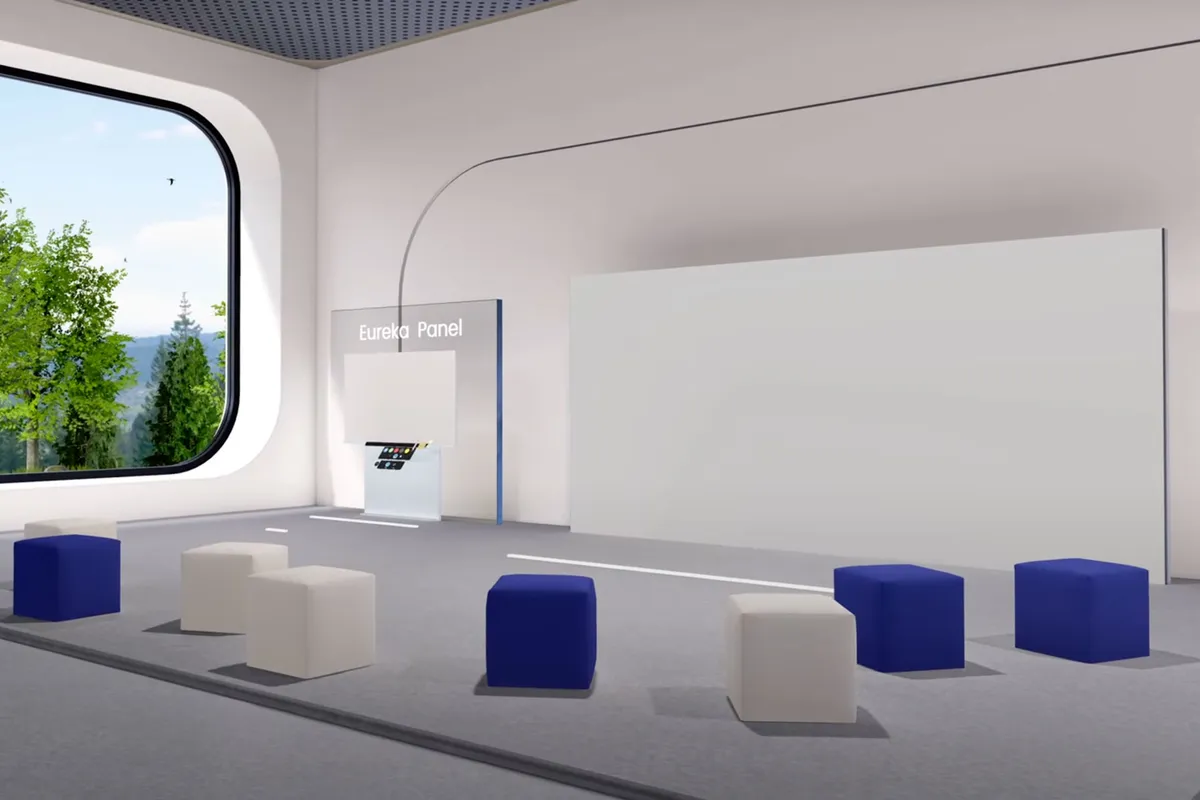
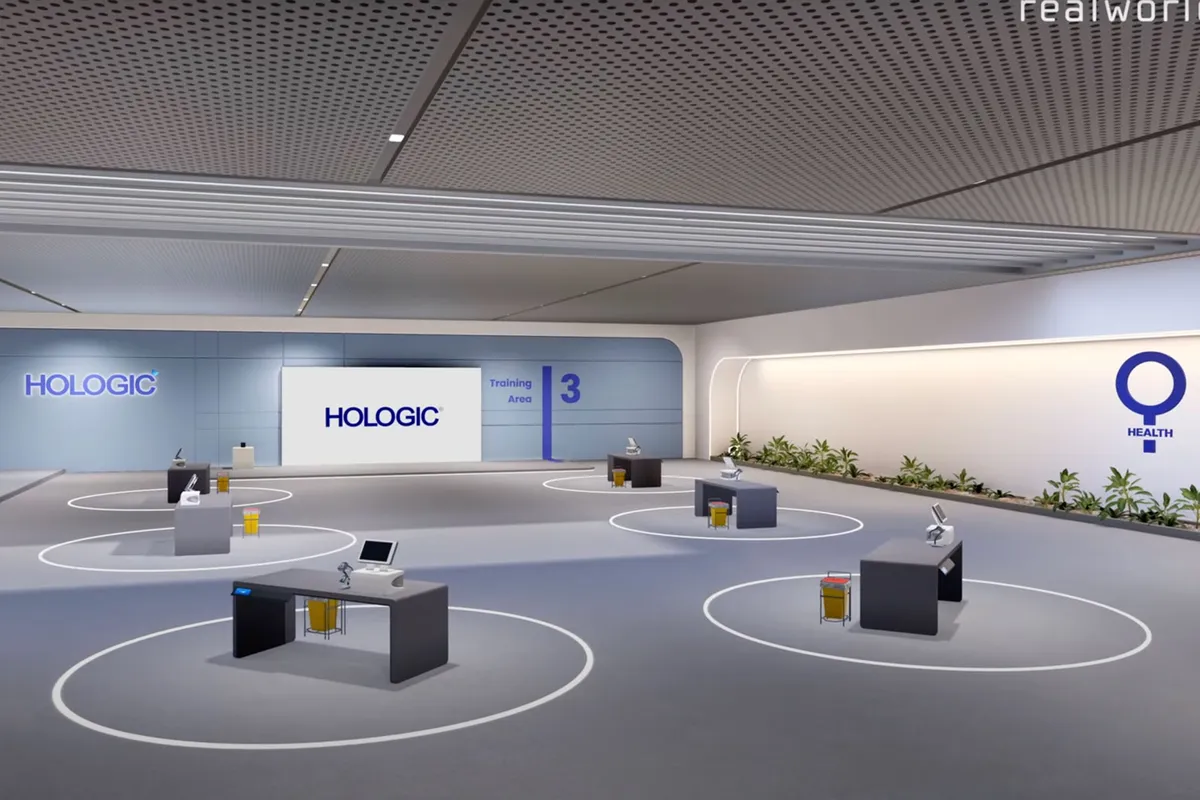
Julia Sand served as a VR UX/UI designer for this project, developing both 2D and 3D interfaces for custom VR training and collaboration tools. Users interacted with 2D interfaces using laser pointers within virtual environments, while also engaging with different virtual 3D objects in a more embodied manner. She leveraged various VR interaction methods including different gestures, head position, and sigh tracking, as well as presence to create novel interactions. The applications combined 2D UI screens, interactive 3D objects, animations, VFX, and cinematic techniques within immersive environments, with strong emphasis on ergonomics and spatial considerations. Her work also extended to traditional web and desktop-based interfaces that supported the use of these VR applications.
Process
The UX/UI process mirrored standard design workflows: user interviews, testing, and other design research methods; workshops for information gathering and decision-making; creating spatial maps, user flows, stakeholder maps, user stories, and user profiles; project planning using SCRUM and LEAN methods with user stories, dailies, sprints, and kanban flow; cross-disciplinary collaboration with CSMs, 3D and VFX artists, animators, and developers; managing design-developer deliveries, overseeing implementation, and performing QA.
Outcome
VR training and collaboration applications with novel interaction methods combining 2D UI, 3D objects, animations, VFX, and cinematic techniques in immersive environments.
- → 2D & 3D VR interface design
- → Gesture & spatial interaction design
- → Cross-disciplinary collaboration
- → SCRUM/LEAN project management